Mixing for Reality: Observational Colour Matching Exercises
Why observational mixing matters
Accurate observational mixing sharpens both seeing and decision-making. Instead of guessing which pigments will combine to make a colour, deliberate exercises help you identify the perceptual components—value, hue, and chroma—and address them in order. These exercises are practical and repeatable; they turn momentary observation into a reliable skill.
Basic equipment
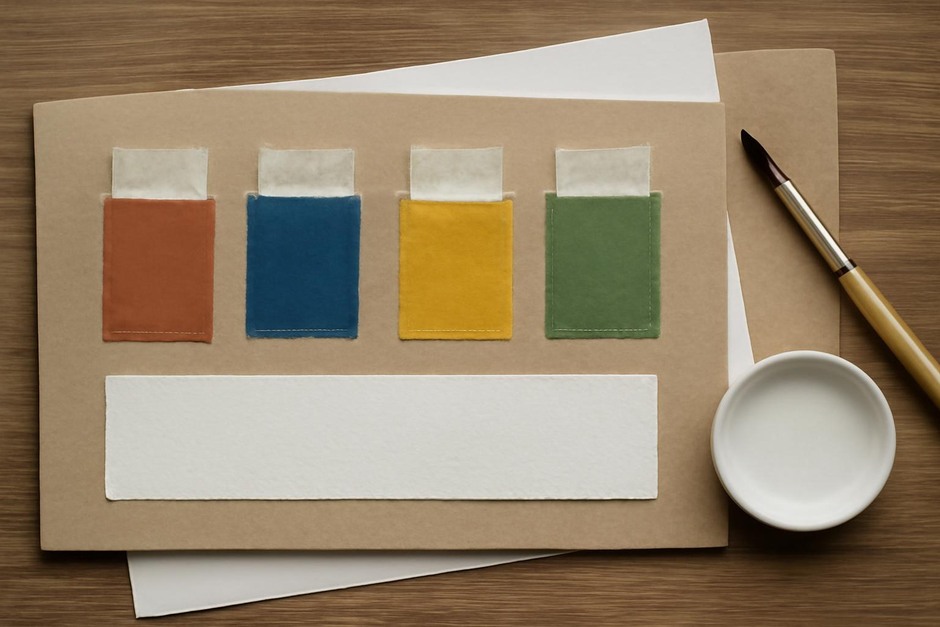
- A limited set of pigments you use regularly (three to six is ideal).
- One neutral grey or a value scale printed or painted beside your reference.
- A small mirror for local colour comparison, or a neutral card to reduce chromatic bias.
- A palette, brushes, and paper or board for swatches.
Exercise 1: Value first
- Choose a small patch of colour from your subject—an area the size of a thumbnail works well.
- Ignore hue initially. Mix a neutral value that matches the darkness or lightness of the patch. Use black-and-white mixes or dilute your pigments to find the right value.
- When the value is correct, take a moment to compare edge relationships: is the patch lighter than the shadow beside it? This anchors the patch within the larger value structure.
Exercise 2: Chroma control
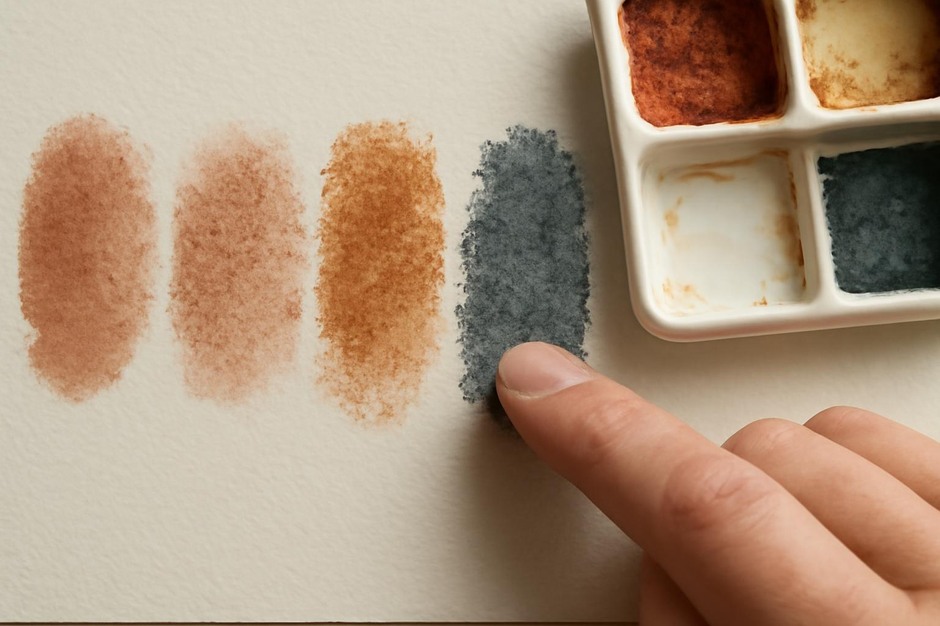
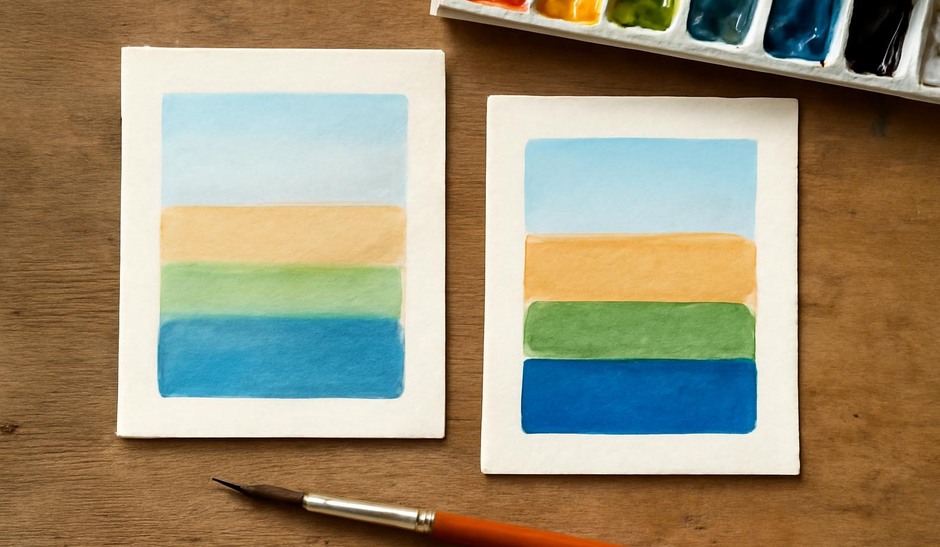
With value matched, now adjust saturation. Add small amounts of a desaturating colour (typically a neutral or the complement) until the patch’s intensity aligns with the reference. Work slowly—reducing chroma often happens in small, decisive steps.
Exercise 3: Hue tuning
Finally, nudge the mix toward the correct hue by adding a tiny amount of a colour that moves the mix toward the target (warmer or cooler, greener or redder). Because value and chroma are set, small hue adjustments have predictable results.
Combining observations into practice
Work through these three steps for several patches across a single subject. This builds a coherent palette that relates to local colours while preserving global value relationships. Pay attention to how light temperature and reflected light influence perceived hue and chroma; make separate notes when a surface looks different under direct versus diffuse light.
Deliberate limitations
Use a limited palette to force economical mixing. Constraints accelerate learning because they reveal how pigments behave in combination. After several sessions, expand the palette with one new pigment and note the additional range it provides.
Recording results
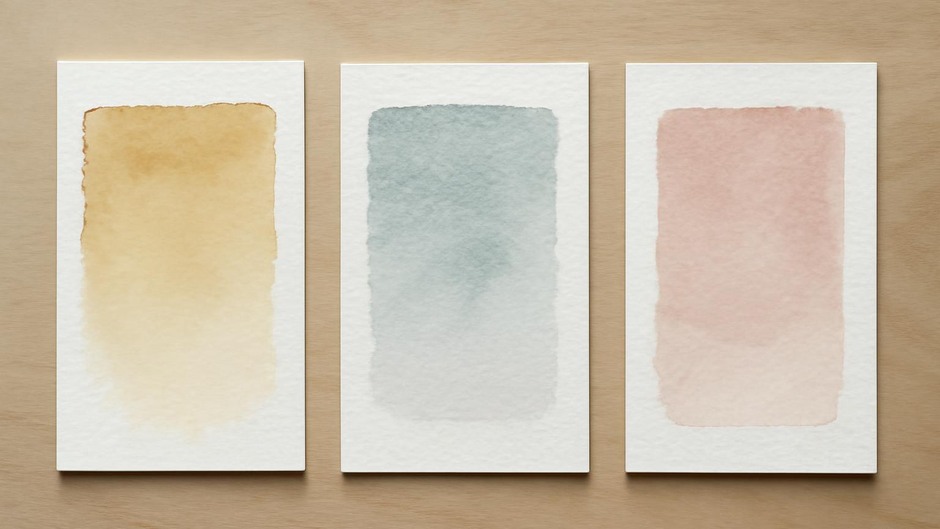
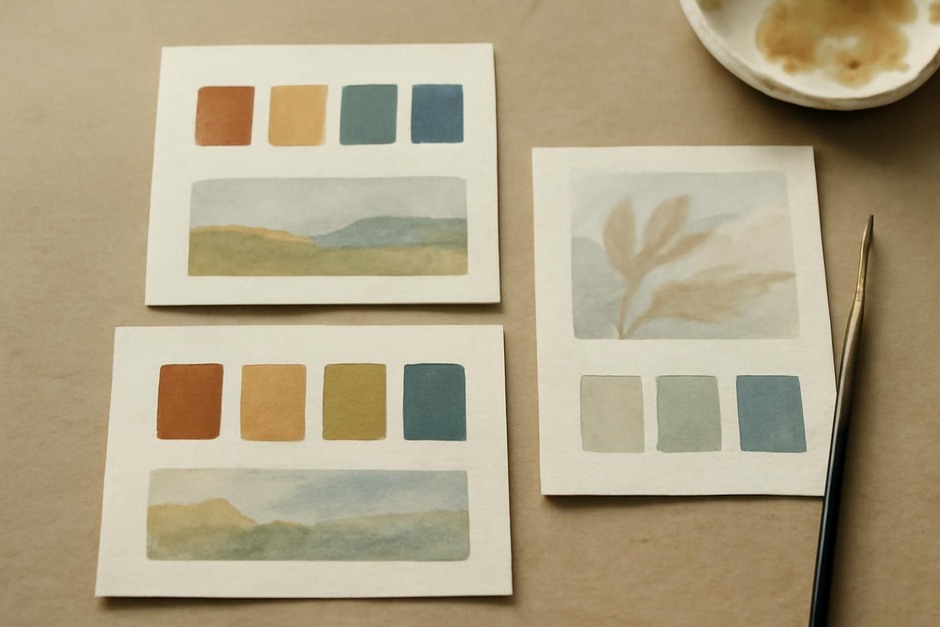
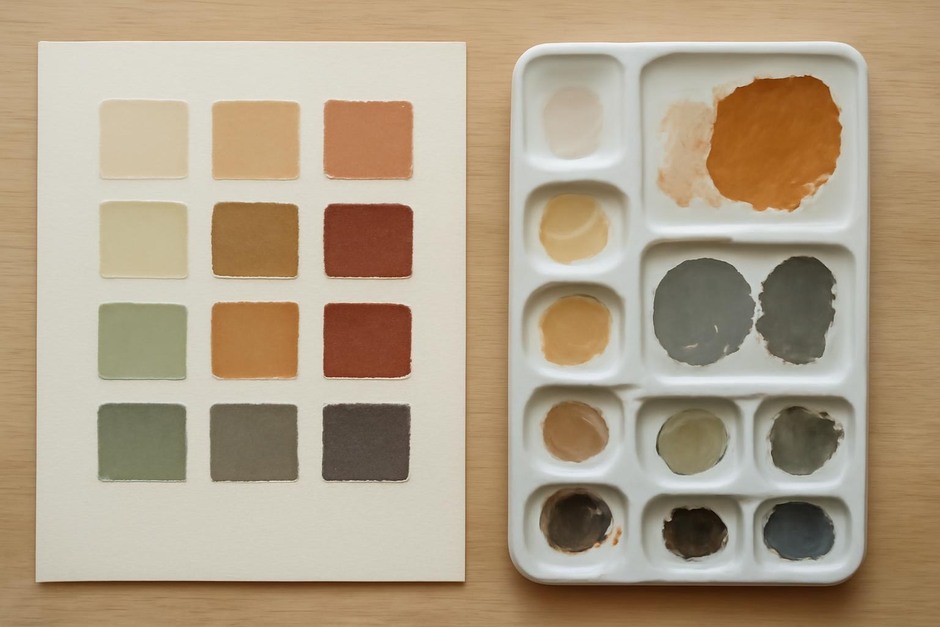
Keep a small sketchbook of swatches with short notes: which pigments, what proportions, and which part of the subject you sampled. Over time this record becomes a practical recipe book tailored to your eye and materials.
Closing notes
Observational colour matching is not about speed but about disciplined seeing. The stepwise method of value, chroma, then hue creates a clear workflow that reduces frustration and increases consistency. Repetition with simple recording habits yields steady improvement.