Pigment Particle Size and Texture: Reading Materials by Sight and Touch
Why particle size matters
Particle size and shape influence how a pigment scatters light, settles in the paper, and mixes. Coarse pigments often granulate and create textured surfaces; fine pigments yield smooth, evenly reflective washes. Learning to read these qualities gives you practical control over texture and finish.
Simple tests to reveal particle behaviour
Use small samples and repeatable methods to discover how a pigment behaves.
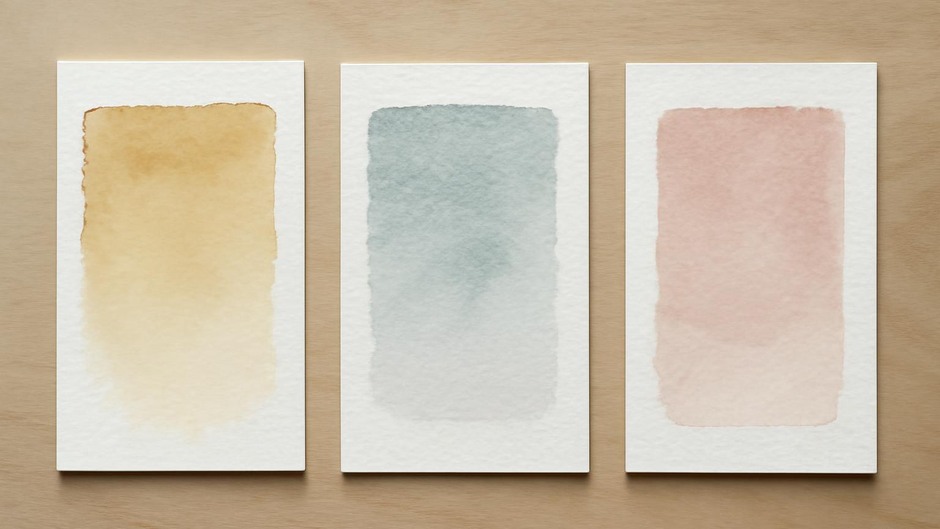
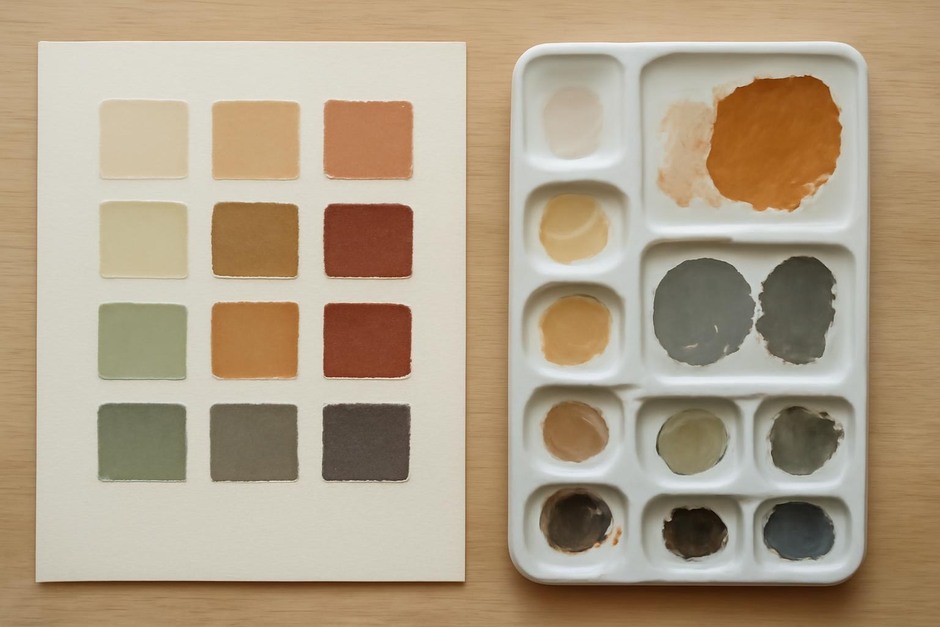
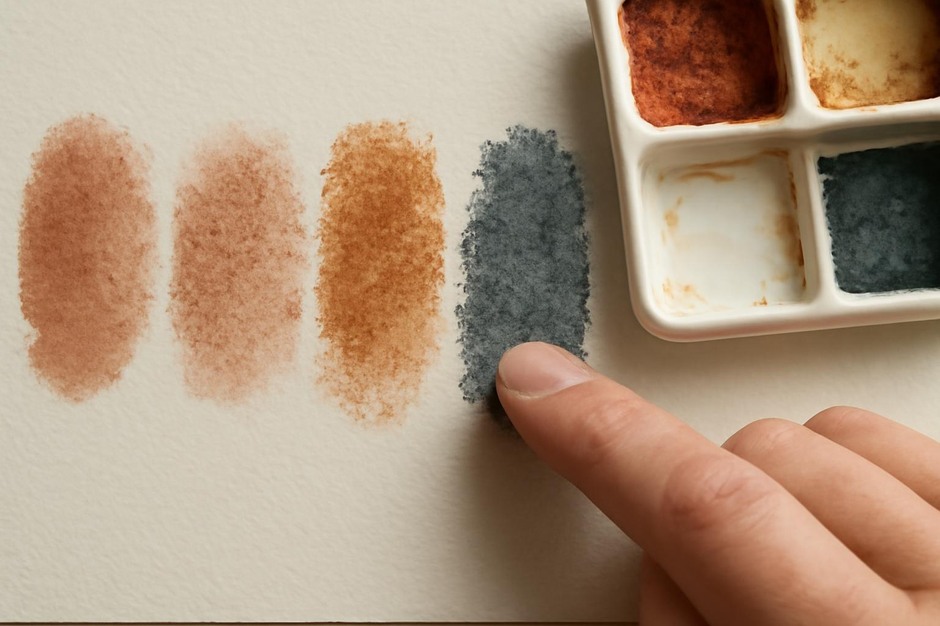
- Create a thick swatch of each pigment straight from the tube or pan, without mixing. Let this dry and note surface texture.
- Make a dilute wash and apply on the same paper. Observe whether the pigment distributes evenly or settles into a granular pattern.
- Try lifting with a damp brush after drying to see how the particles re-disperse. Coarser pigments may remain textured after lifting.
Observational clues
- Granulating pigments: look for a subtly mottled surface where pigment particles clump in low points of the paper. These often include earth pigments and some iron-rich colours.
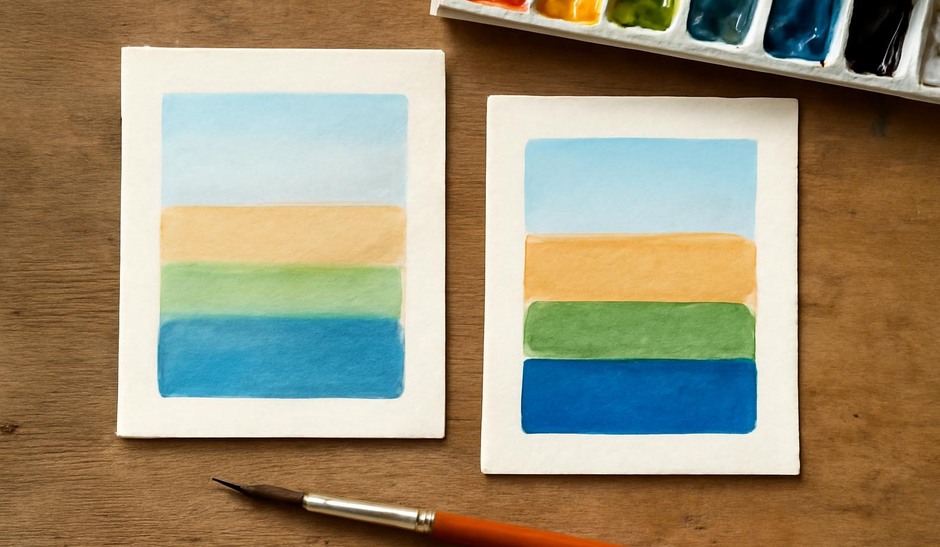
- Satin, smooth pigments: create an even film with uniform sheen under consistent lighting; these tend to be finely ground modern pigments.
- Opaque pigments: large particle sizes or heavy absorption can produce opacity even in thin applications.
Mixing implications
When you mix a granulating pigment with a smooth one, the result depends on proportions and binder. A small amount of a coarse pigment can introduce texture; a dominant coarse pigment will yield granulation in mixtures. Keep careful notes of proportions to reproduce a desired grainy effect.
Brushwork and application
Coarser pigments may resist thin lines and fine detail because particles interrupt smooth strokes. For precise edges, select finer pigments and reduce dilution. If you want visible sedimentary texture, work with wet-on-wet and let the pigment settle naturally.
Practical uses for textured pigments
Granulation can be an asset: it suggests geological surfaces, rustic materials, or atmospheric depth. Consider using textured pigments specifically in areas where materiality enhances observation. Conversely, use smooth pigments for skin, glass, or areas where optical clarity matters.
Handling and storage notes
Coarser pigments sometimes settle faster in pans and tubes. Stir them gently before use to redistribute solids. When reconstituting dry pigments, add binder carefully and allow time for full rehydration to avoid mottled application.
Record-keeping
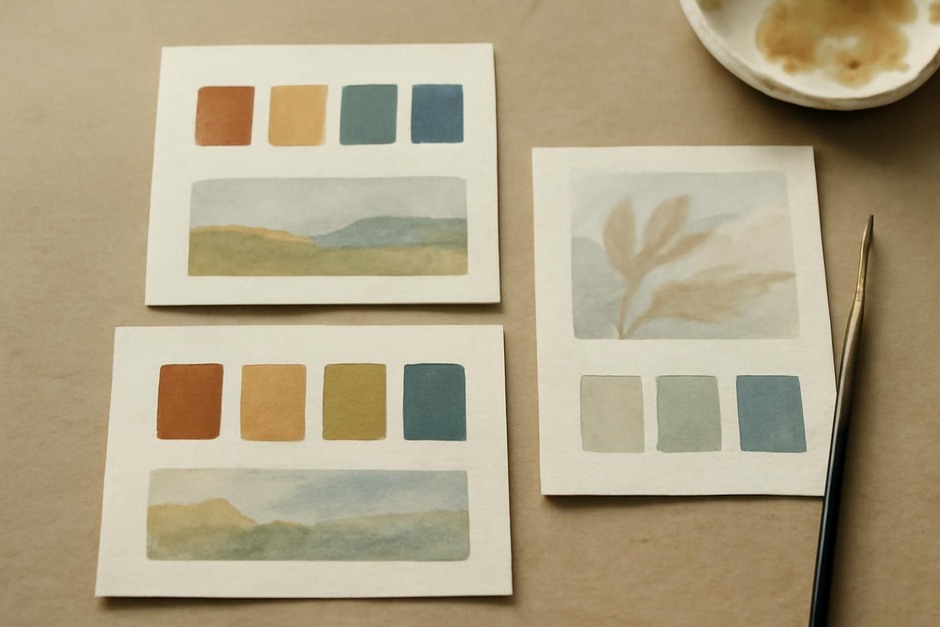
Keep a swatch book that notes particle behaviour for each pigment and favourite paper combinations. Over time this becomes an immediate reference for choosing pigments that will reliably produce either smooth transitions or textured granulation.
Concluding observation
Reading pigments by sight and touch is a quiet skill that develops with deliberate tests. These small experiments reveal the material character underpinning visual effects and let you select pigments more confidently for both observational studies and finished work.