Limited Palettes as Experimental Frameworks: Plan, Observe, Iterate
Why limit your palette?
Working with a limited set of pigments focuses attention on relationships rather than options. It forces you to learn how far a few colours can stretch and how to mix cleanly. Treat a limited palette as an experiment: choose constraints, observe outcomes, and iterate based on what you learn.
Three experimental palettes to try
Each palette below is intentionally narrow so you can see different learning outcomes.
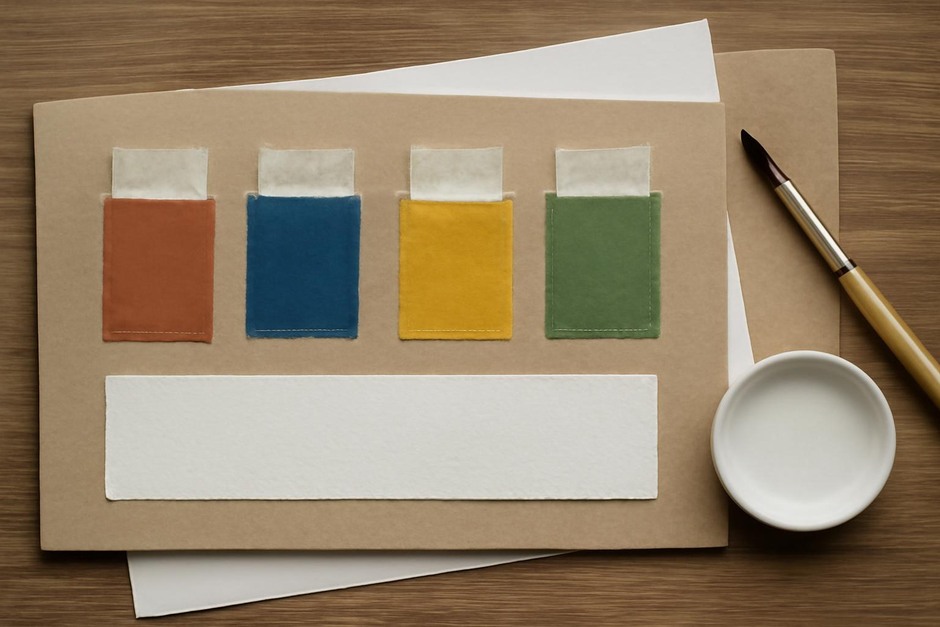
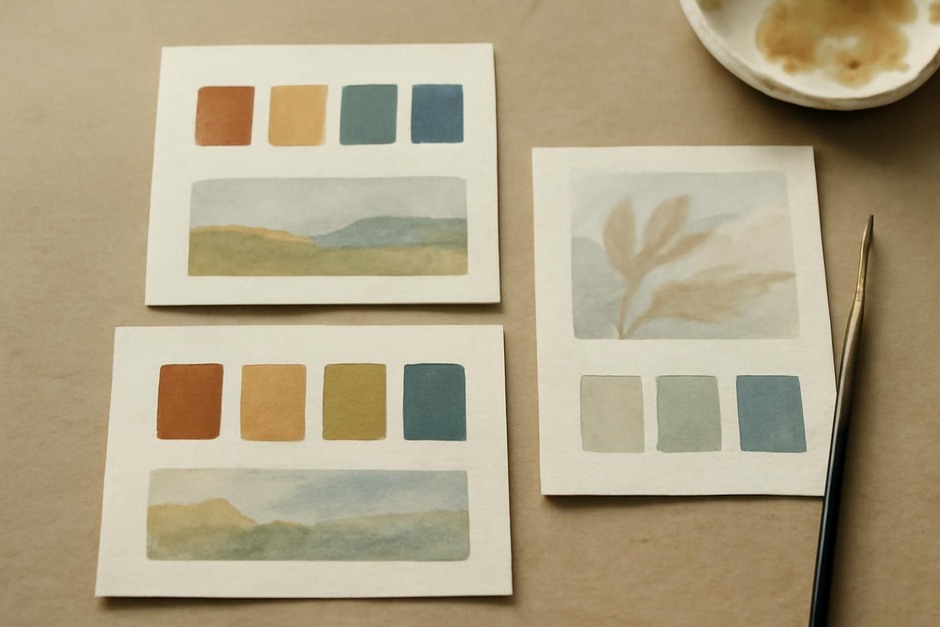
- Warm-cool primary trio: a warm red, a warm yellow, and a cool blue. This shows clear hue shifts and how temperature affects mixes.
- Neutralising trio: a mid blue, a warm earth (such as a yellow ochre), and a muted red. This palette teaches how to control chroma and create subtle neutrals.
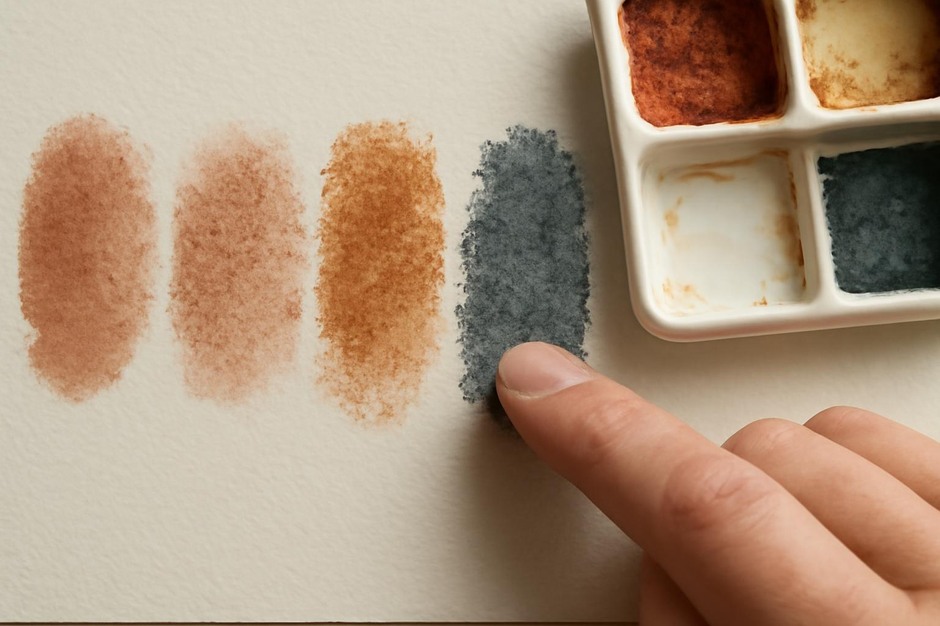
- Zorn-style minimalism: white, a yellow, a red, and a black or dark brown. Useful for value and temperature studies with limited hue choices.
Planned experiments
Design short, repeatable tests for each palette.
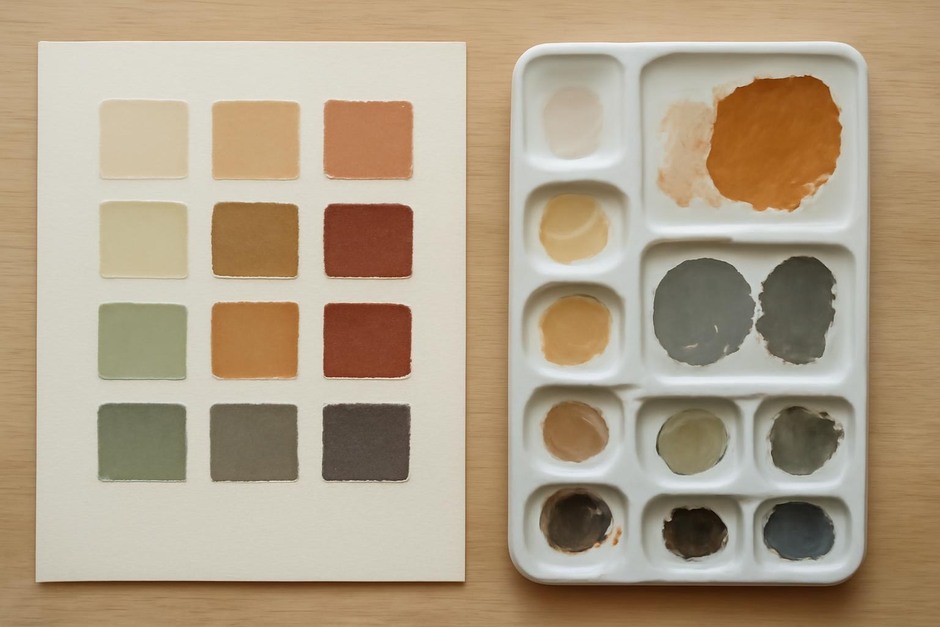
- Make a matrix of mixes: swatch pairwise combinations at equal parts and at biased ratios to see the full range of mixtures.
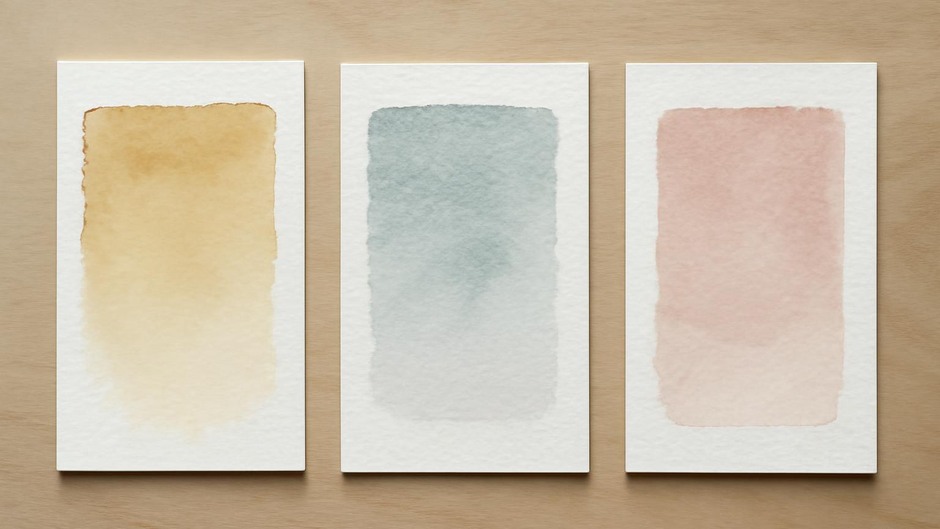
- Create a value strip for each mixture by adding a neutral (black or white) to map how each mix responds to value reduction or increase.
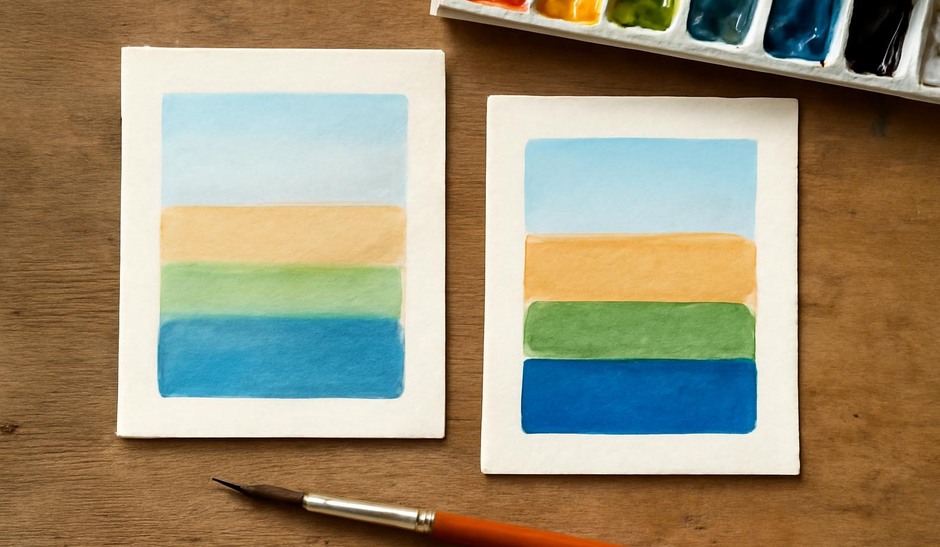
- Paint the same simple study—such as a single apple or a small arrangement—three times with the same palette to see how consistently you can produce convincing colour relationships.
Observation and refinement
After each pass, note what the palette lacks. Does skin need cooler highlights? Are shadows too green? Add targeted adjustments within the existing palette—try different proportions or alternative glazing techniques before introducing new pigments. The aim is to solve problems within constraints first.
Iterate with purpose
Allow each set of experiments to inform the next. If a particular hue or mixing habit repeatedly forces you to add a new pigment, record that and run a second, slightly expanded experiment that includes the candidate pigment. This incremental approach clarifies whether the new colour truly expands possibilities in meaningful ways.
Documentation habits
Keep a simple log for each palette: pigment names, mix recipes, and sketches with dates. Photographs help, but concise notes about perceived gaps in chroma or hue are especially useful. Over a few months you will see which limited palettes support observational tasks and which need regular augmentation.
Using limited palettes in regular practice
Rotate limited-palette studies into your routine to maintain mixing fluency. Use short timed studies to force quick decisions, and slower pieces to explore subtle shifts. The discipline of constraint pays dividends: it sharpens decision-making and builds a compact visual vocabulary you can rely on under varied conditions.
Final remark
Limited palettes are not a restriction but a learning scaffold. Plan experiments deliberately, observe outcomes carefully, and iterate with small, directed changes. Over time you will learn to produce a wide range of believable colour effects from a small, well-understood set of pigments.